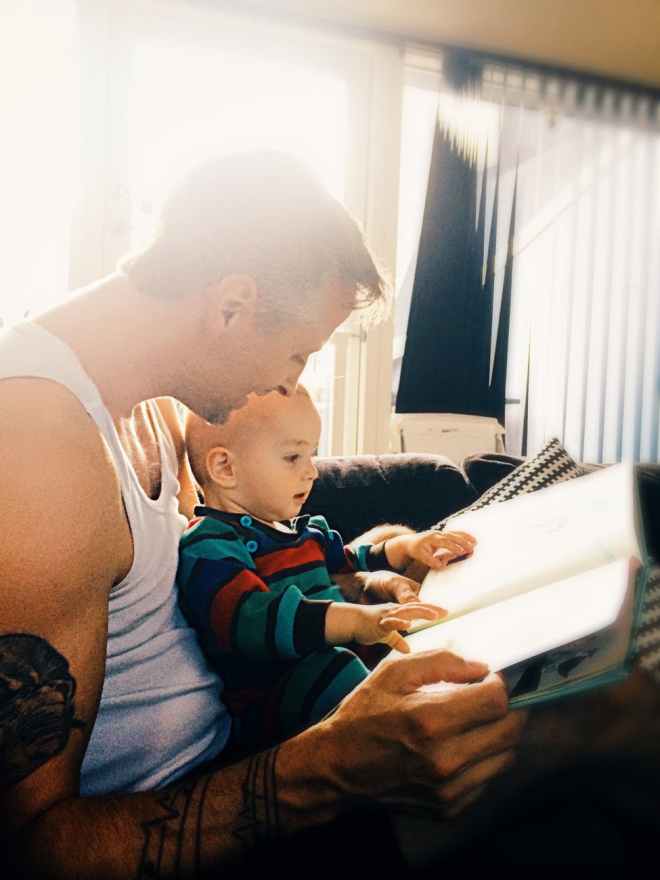
“Parents are the first and most important teacher in the lives of their children.”
You may have heard that a child’s brain is like a sponge, absorbing large amounts of information from its surroundings.
The same thing happens in a child’s mind; the seeds of thought that are planted grow into stems of learning and knowledge. The first years are crucial in a child’s life, since in those first years his brain is developing. So you have to support the development of your child with love, patience and dedication.
Parents are the first and most important teachers in their children’s lives. When you hear the word teacher, you might think that you need a high degree of education to teach your child, but that is not true. A baby begins to learn in his mother’s womb, and at birth the baby continues to learn from his environment.
By the age of 5 , the brain of a child is 90% developed.
Parents have an obligation to expose their children to different things to support this development. Every day you have different opportunities to teach something new to your child.
For example, you can talk with your child about their surroundings when you are in the supermarket, in the car, on the bus, during snacks/meals, or while waiting in the doctor’s office. As you talk to your child about what is happening, or when you let them take part of age-appropriate activities, your child is learning new words, sounds, and language skills.
It is important that children have the opportunity to play with other children their age so they learn to socialize, share, wait their turn, listen and follow instructions, make friends, solve problems, use their words, and express their feelings.
One of the easiest ways to support your child’s brain development is to expose your child to books. Simply by reading and talking about the story or the pictures, your child will become familiar with sounds, words and language, which will stimulate her imagination and curiosity.
Turn off technology for at least 20 minutes each day to read with your child or look at books, so you have the opportunity to talk and connect with your child without interruptions. Little by little, they will learn to sit and listen. It is important that you make books part of your daily routine; dedicate at least 20 minutes each day to the education of your child, and tomorrow you will see the fruits of your hard work.
It does not matter if English is not your child’s first language. Knowing another language first will help her to learn English later on. Just remember to talk, read, sing and play with your child at all times, because she is always learning.
 teachbabytotalk